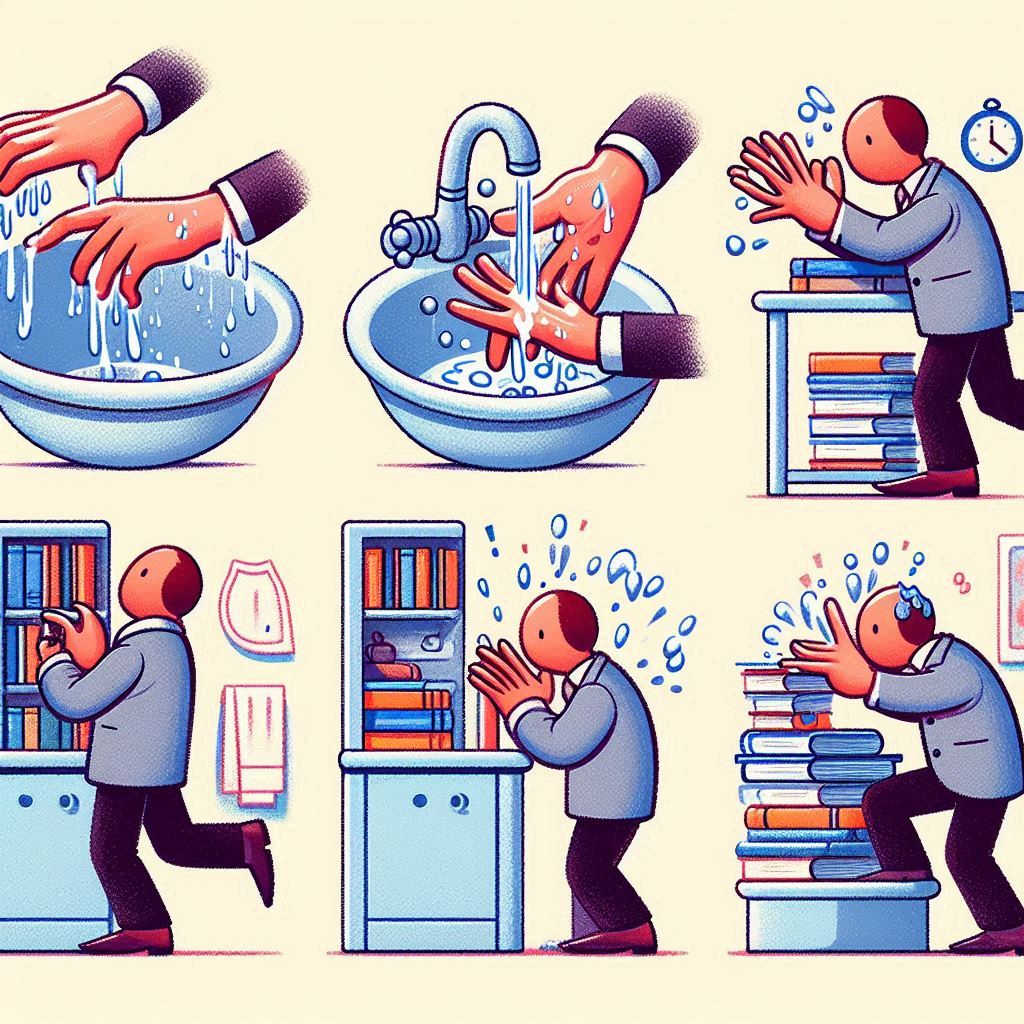
Did you know that approximately 2.3% of people will experience Obsessive-Compulsive Disorder (OCD) at some point in their lives? OCD is a mental health condition characterized by persistent, intrusive thoughts (obsessions) and repetitive behaviors (compulsions) performed to alleviate the distress caused by these thoughts. Imagine feeling compelled to wash your hands dozens of times a day, even though you know they are clean, or needing to check and recheck that the door is locked, despite being certain it is. These behaviors can consume hours of a person's day, leading to significant distress and impairment in daily functioning. Understanding OCD is crucial for providing the compassion and support needed to help those affected manage their symptoms and improve their quality of life.Envision feeling an overwhelming urge to wash your hands repeatedly, even though you know they're clean, or being unable to leave your house without checking the locks multiple times. For those living with Obsessive-Compulsive Disorder (OCD), these scenarios are a daily reality. OCD is a mental health condition characterized by persistent, unwanted thoughts (obsessions) and repetitive behaviors (compulsions) that can significantly interfere with daily life. Let's explore the common symptoms of OCD and how they manifest.Obsessions: The Unwanted ThoughtsObsessions are intrusive and distressing thoughts, images, or urges that repeatedly enter a person's mind. These thoughts are often irrational and can cause significant anxiety. Common themes of obsessions include:• Fear of Contamination: An intense fear of germs or dirt, leading to excessive cleaning or hand-washing.• Doubts and Uncertainty: Persistent doubts about whether one has performed a specific action, such as locking the door or turning off the stove.• Need for Order: A strong desire for symmetry and orderliness, often leading to the rearrangement of objects until they feel "just right."• Aggressive Thoughts: Unwanted thoughts about harming oneself or others, which can be deeply distressing.Compulsions: The Repetitive BehaviorsCompulsions are repetitive behaviors or mental acts that a person feels driven to perform in response to an obsession. These actions are meant to reduce anxiety or prevent a feared event, but they often provide only temporary relief. Common compulsions include:• Cleaning and Hand-Washing: Excessive washing or cleaning to alleviate fears of contamination.• Checking: Repeatedly checking things, such as ensuring doors are locked or appliances are turned off.• Counting: Engaging in specific counting rituals, often to a certain number or pattern.• Arranging: Organizing items in a particular way to achieve a sense of order.• Reassurance Seeking: Frequently asking others for reassurance to alleviate doubts and fears.The Cycle of OCDThe cycle of OCD typically involves an obsession triggering anxiety, leading to a compulsion aimed at reducing that anxiety. However, the relief is often short-lived, and the obsession returns, perpetuating the cycle. This can make daily activities challenging and impact overall quality of life.Seeking HelpIf you or someone you know is experiencing symptoms of OCD, it's important to seek professional help. Treatments such as cognitive-behavioral therapy (CBT) and medications can be effective in managing symptoms and improving quality of life.Understanding OCD and its symptoms is the first step towards managing this condition. With the right support and treatment, individuals with OCD can lead fulfilling lives.
Can’t Move On? The Hidden Signs of Unresolved Trauma
🌱 Can’t Move On? The Hidden Signs of Unresolved TraumaHave you ever felt like you just can’t move forward, no matter how hard you try?