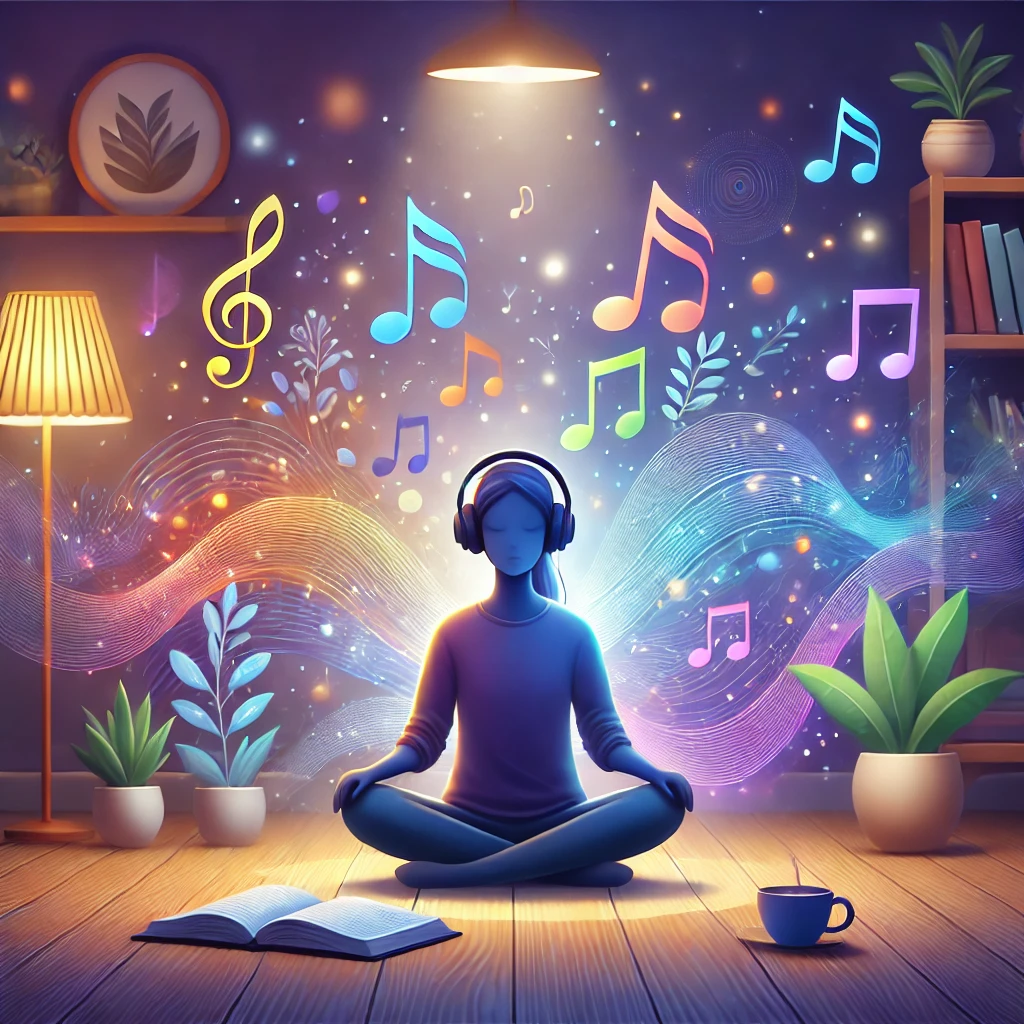
Imagine a world without music—a silent void, devoid of rhythm, melody, and harmony. Now, contrast that with the vibrant world we inhabit, where music accompanies every significant moment of our lives. From soothing lullabies to energizing workout playlists, music is more than just entertainment; it is a powerful force that influences our emotions, behaviors, and even our mental health. In this blog, we explore the fascinating ways music contributes to mental well-being, supported by recent scientific studies and ancient practices.
How Music Impacts the Brain
Music's impact on the brain is profound. Neuroscience has revealed that listening to music activates multiple brain regions, including those associated with emotion, memory, and sensory processing. The auditory cortex processes the sound, while the limbic system, including the amygdala, interprets its emotional significance. This intricate interplay explains why certain songs evoke strong emotional responses. Studies have shown that listening to music releases dopamine, the "feel-good" neurotransmitter, creating a sense of pleasure and reward. Furthermore, engaging with music, whether by listening, singing, or playing an instrument, has been linked to increased connectivity in the brain—a vital factor for cognitive health and emotional resilience.Music as a Stress Reliever
Life's challenges often bring stress and anxiety, but music can serve as a natural antidote. Slow, calming music, such as classical compositions or ambient sounds, can lower heart rate, reduce blood pressure, and decrease cortisol levels—the body's primary stress hormone. This physiological response creates a state of relaxation and mental clarity. For instance, a 2020 study published in Frontiers in Psychology found that patients who listened to music before surgery reported significantly lower anxiety levels compared to those who did not. Music therapy, a structured therapeutic approach, also utilizes these calming effects to support individuals facing stress-related disorders.Music and Emotional Expression
Music provides a safe space for expressing emotions that words cannot convey. Listening to melancholic tunes can offer a sense of companionship during tough times, while upbeat tracks can elevate your mood and provide motivation. This ability to reflect and amplify emotions makes music a powerful tool for self-awareness and emotional regulation. Take, for example, the power of group singing or community choirs. Research published in Psychology of Music (2018) highlights that group singing fosters a sense of belonging and reduces feelings of loneliness, which are significant contributors to mental health challenges.Music Therapy: Healing Through Sound
Music therapy has emerged as a scientifically validated approach to addressing various mental health conditions, including depression, anxiety, and post-traumatic stress disorder (PTSD). Trained music therapists use tailored interventions—such as songwriting, active listening, and improvisation—to help individuals process trauma, build coping mechanisms, and enhance their quality of life. One compelling example is the use of rhythmic drumming in PTSD treatment. A 2016 study published in The Arts in Psychotherapy found that group drumming sessions significantly reduced PTSD symptoms in veterans by promoting emotional release and fostering social connection.Personalized Playlists: A Mental Health Hack
Creating personalized playlists can be a simple yet effective way to support your mental health. Curate songs that match your desired emotional state—relaxing tracks for unwinding after a long day, or energizing beats to kickstart your morning. Apps like Spotify and YouTube even offer mood-specific playlists, making it easier than ever to harness the power of music for emotional well-being.Conclusion
Music—a universal language that transcends cultures and generations—holds immense potential as a tool for mental health. Whether through passive listening, active engagement, or structured therapy, music offers solace, joy, and healing. The next time you press play, remember: you're not just listening to a song; you're nurturing your mind and soul.References
- Koelsch, S. (2014). Brain correlates of music-evoked emotions. Nature Reviews Neuroscience, 15(3), 170-180.
- Chanda, M. L., & Levitin, D. J. (2013). The neurochemistry of music. Trends in Cognitive Sciences, 17(4), 179-193.
- Fancourt, D., Ockelford, A., & Belai, A. (2014). The psychoneuroimmunological effects of music: A review and a model. Brain, Behavior, and Immunity, 36, 15-26.
- Laird, E. A., et al. (2016). Group drumming as a PTSD treatment. The Arts in Psychotherapy, 50, 22-30.
- Dingle, G. A., et al. (2018). Choir singing and psychological wellbeing. Psychology of Music, 46(1), 84-96.