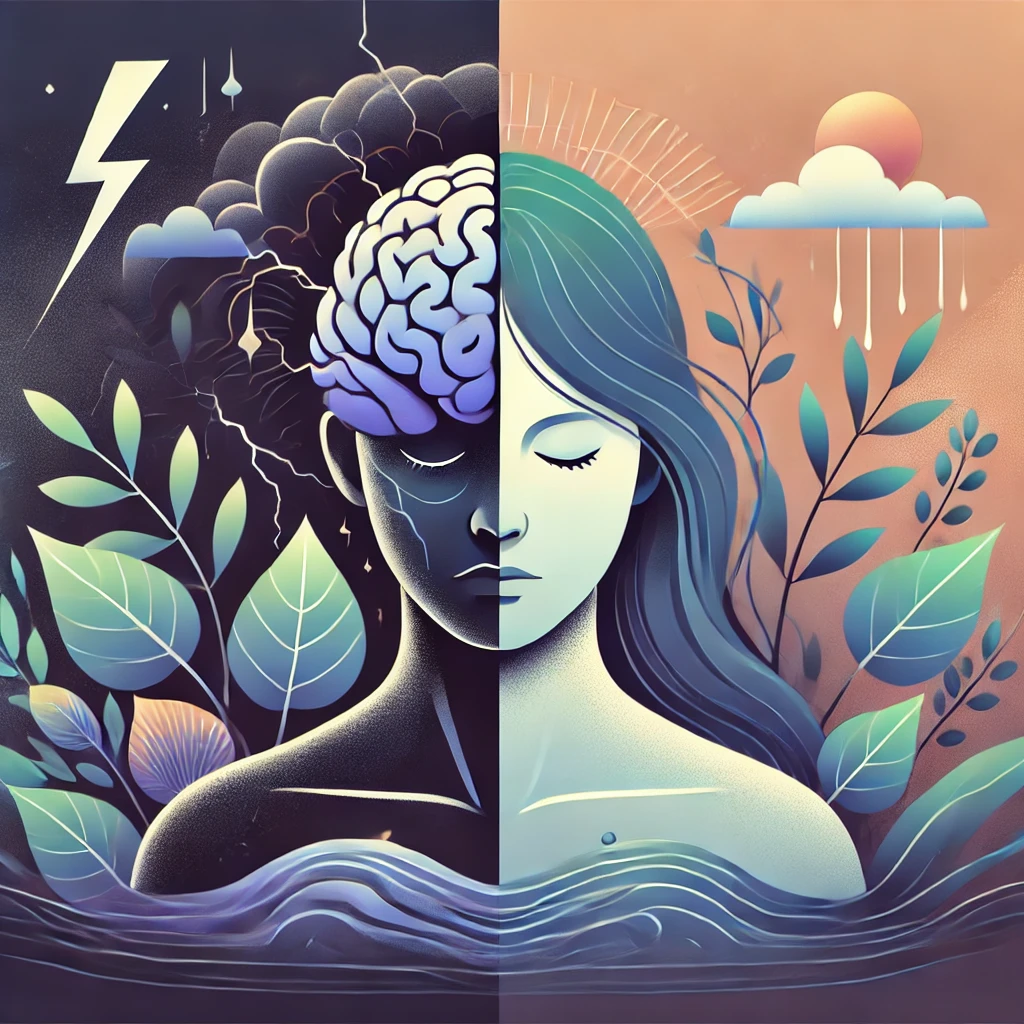
Stress is a universal experience. From the moment we wake up to the sound of an alarm clock to the end of a long day filled with deadlines, responsibilities, and the unexpected, stress can feel like an unwelcome but constant companion. But what exactly is stress, and how does it affect our mind and body?
Imagine your body as a finely tuned orchestra. When everything is in harmony, you feel calm and in control. But when stress enters, it’s like a sudden, chaotic drumbeat disrupting the symphony. This drumbeat—your body’s stress response—isn’t inherently bad. In fact, it’s an evolutionary survival mechanism designed to keep us alert and ready for action.The Biology of Stress
At the heart of the stress response is the "fight or flight" mechanism, a chain reaction triggered by the brain. When faced with a perceived threat, the hypothalamus signals the adrenal glands to release stress hormones like adrenaline and cortisol. These hormones prepare the body for action: your heart rate increases, breathing quickens, and muscles tense. This physiological response was critical for our ancestors to escape predators or other dangers. But here’s the catch: in today’s world, stressors are often psychological rather than physical. Deadlines, traffic jams, or worrying about the future can activate the same biological response as running from a lion. When this response is prolonged or occurs too frequently, it can wreak havoc on your health.The Mind-Body Connection
Stress doesn’t just stay in your head; it impacts your entire body. Chronic stress has been linked to numerous health issues, including:- Cardiovascular Problems: Prolonged exposure to stress hormones can lead to high blood pressure, increasing the risk of heart disease.
- Digestive Issues: Stress can interfere with digestion, leading to problems like irritable bowel syndrome (IBS) or acid reflux.
- Weakened Immune System: Chronic stress suppresses the immune system, making you more vulnerable to infections.
- Mental Health Disorders: Stress can contribute to anxiety, depression, and burnout, creating a vicious cycle of mental strain.
Coping with Stress: Strategies for Resilience
Understanding stress is only half the battle. Building resilience is key to managing its effects. Here are some science-backed strategies:- Mindfulness and Meditation: Practices like deep breathing, meditation, or yoga can lower cortisol levels and promote relaxation.
- Physical Activity: Regular exercise helps burn off excess stress hormones and boosts endorphins, the body’s natural mood elevators.
- Social Support: Connecting with friends or loved ones can buffer the impact of stress and provide emotional relief.
- Healthy Lifestyle Choices: Prioritize sleep, eat a balanced diet, and limit caffeine and alcohol, which can exacerbate stress.
Why Understanding Stress Matters
Stress is an inevitable part of life, but it doesn’t have to control you. By understanding its science and implementing healthy coping strategies, you can take charge of your mental and physical well-being. Think of stress management as tuning the orchestra of your body—restoring harmony and creating a more balanced, fulfilling life.- McEwen, B. S., & Morrison, J. H. (2013). The Brain on Stress: Vulnerability and Plasticity of the Prefrontal Cortex Over the Life Course. Neuron, 79(1), 16-29.
- Lupien, S. J., et al. (2009). Stress effects on the brain and cognition: Human studies. Progress in Neuro-Psychopharmacology and Biological Psychiatry, 33(6), 1017-1026.
- Cohen, S., Janicki-Deverts, D., & Miller, G. E. (2007). Psychological Stress and Disease. JAMA, 298(14), 1685-1687.
- Sapolsky, R. M. (2015). Stress and the brain: individual variability and the inverted-U. Nature Neuroscience, 18(10), 1344-1349.
- Chrousos, G. P. (2009). Stress and disorders of the stress system. Nature Reviews Endocrinology, 5(7), 374-381.